
OzzyBet Casino app: what's actually available
There's no OzzyBet app to download, and the short answer to why is that the app stores largely stopped being an option for real-money casinos years ago. What replaced it — a browser that does the same job — is genuinely better for most players, and this page explains what you gain, what you give up, and why the "OzzyBet app" listings you might find in a search are worth staying away from.
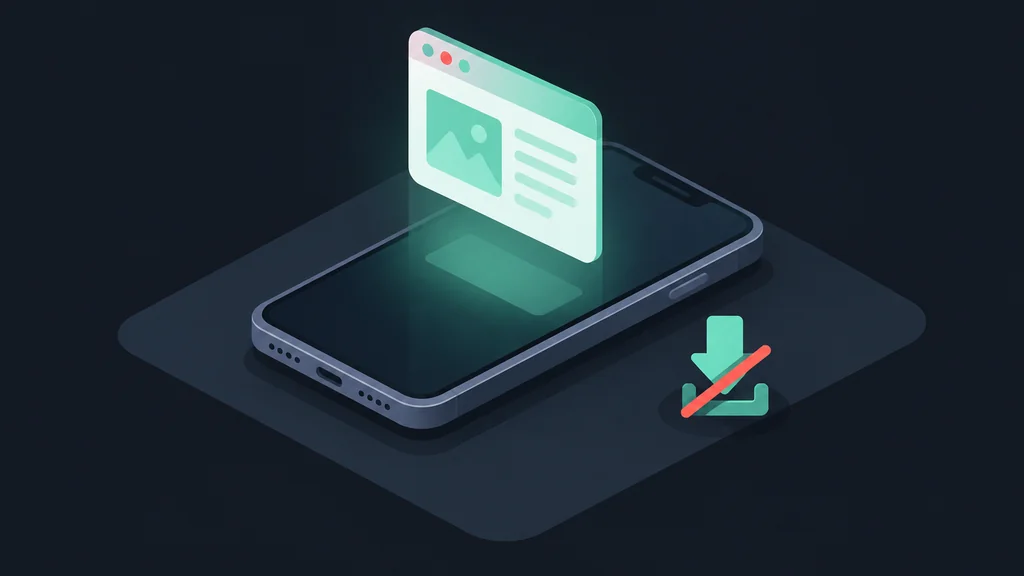
Browser play instead of an install
The site is built responsive: it reflows to fit whatever screen it's opened on. You open it in Safari, Chrome or any current mobile browser, sign in, and the layout adapts — navigation collapses, controls grow to a comfortable touch size, and game tiles stack into a single scrollable column. Everything a downloaded app would have done, the browser does.
This is now the normal arrangement across the entire real-money casino sector rather than a shortcut this operator took. Apple and Google both apply heavy restrictions to real-money gambling apps — licensing evidence per jurisdiction, geographic limits, and a review process that can take an operator months and still end in rejection. For an internationally-facing brand, maintaining two native apps under those conditions delivers very little that a responsive website doesn't already provide.
What you actually gain
- Nothing to update. Changes ship the moment you reload. You're never running a stale version, and you're never blocked behind an app-store review queue waiting for a fix.
- No storage taken. A casino app with cached game assets is not small. A browser tab is.
- Identical on iPhone and Android. One codebase means no platform where features quietly lag behind, which was a real problem in the native-app era.
- Nothing installed to identify. No gambling app icon on a phone other people occasionally hold, and no app-level tracking permissions to think about.
- Switch devices freely. The account lives on the server, so phone, tablet and laptop are the same session's worth of access without setup on each.
And what you give up
It's a real trade-off, not a free win, though the losses are smaller than they sound. Push notifications are the main one — a browser can't reliably nudge you about a promotion the way an installed app can. Plenty of players will file that under "advantage".
There's no offline mode either, but a real-money casino is useless offline by definition, so that's theoretical. And native apps can feel marginally smoother on very old hardware, where a heavy web page has more work to do than a compiled app would. On any phone from the last few years the difference isn't noticeable.
Getting a home-screen icon anyway
If what you actually want is a one-tap icon rather than an app as such, every modern mobile browser will give you one without an install:

Simple steps to add a shortcut to your home screen On iPhone or iPad
Open the site in Safari, tap the Share button, scroll to "Add to Home Screen", then confirm. The icon appears alongside your apps and opens the site directly.
On Android
Open the site in Chrome, tap the three-dot menu, choose "Add to Home screen", then confirm. Same result.
Either way
You get app-like access with none of the install, and the shortcut points at the real site — which is also the safest way to reach it, since you're no longer relying on a search result each time.

A warning about third-party "casino apps"
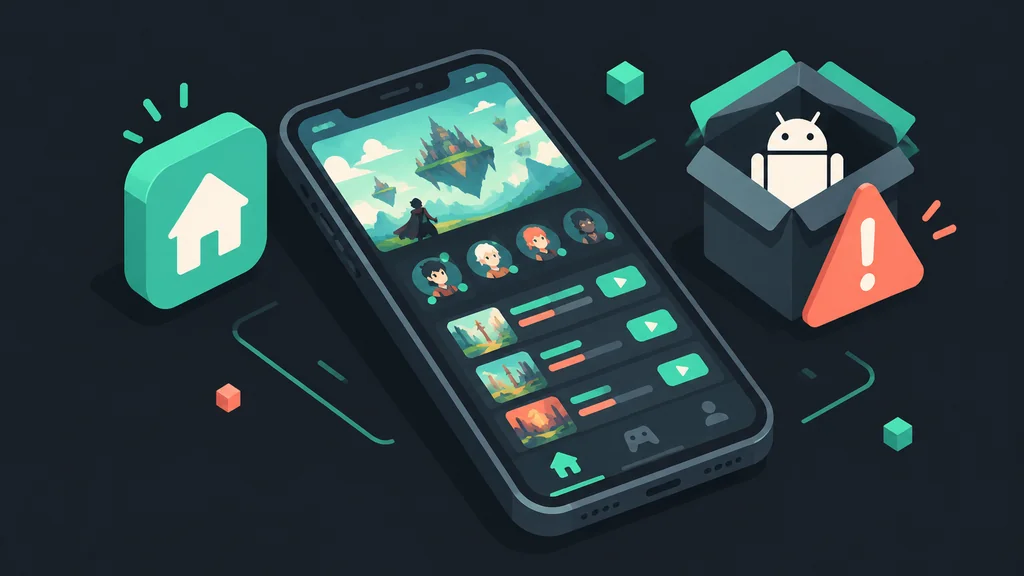
Search for almost any casino brand plus "app" and you'll find app-store listings and APK download sites offering one. For a brand with no official app, every one of those is by definition unofficial — and the categories they fall into are all bad.
Some are wrappers: a browser window around the real site, built by someone unaffiliated, sitting between you and your account with full visibility of what you type into it. Some are unrelated social-casino games trading on brand recognition, which cost you nothing but time. The genuinely dangerous ones are sideloaded APKs from download sites, which is the standard delivery route for credential-stealing malware aimed at exactly this audience: people who are about to type a password and payment details into something.
The rule is simple. If a brand doesn't publish an app, no app for that brand is trustworthy. Reach the site through your browser and a home-screen shortcut you created yourself.
Why the whole industry moved this way
This isn't a quirk of one operator — it's the standard shape of the real-money casino sector now, and the reasons are structural rather than a cost-cutting shortcut. App stores require gambling apps to demonstrate valid licensing for each territory they're offered in, which is straightforward for a single-market operator and genuinely hard for a brand serving players across many countries with different licensing regimes. Both major stores also restrict where real-money gambling apps can even be listed, so an app would only reach a fraction of the audience a responsive website reaches instantly. Add ongoing app-store review cycles for every update, and maintaining native apps stops making sense next to a website that works identically everywhere the moment you open it.
The practical result for a player is that a missing app tells you nothing negative about the operator — it's the norm across large, established brands in this space, not a sign of a smaller or less-developed one.
What runs in the browser
The full account does: the lobby, the cashier for deposits and withdrawals, verification document uploads, account settings and responsible-gambling limits. There's no reduced "mobile version" holding features back — see the mobile page for what changes on a small screen and the pokies page for the game categories to expect.
One honest caveat about game counts, since it comes up here: the operator advertises "16.5K+ Games" in one place on its homepage and "5,000+ titles from 70+ licensed providers" in another. Those are its own two figures and they don't agree. The lobby sits behind registration, so neither can be checked from outside — the review covers that in detail.
Play in your browserWhy casino apps existed in the first place
Native apps had a real advantage in the era before mobile browsers were fast: an installed app could pre-load assets, run offline UI, and generally feel snappier than a mobile site loading fresh content on a 3G connection. That gap has mostly closed. Modern mobile browsers cache aggressively, connections are faster almost everywhere, and web technology now supports most of what made an app feel native — smooth animation, instant response to taps, layouts that adapt to the exact screen. The remaining app-only advantages — push notifications and deeper OS integration — matter for some categories of app far more than for a casino, where you're checking in deliberately rather than being pulled back by a notification.
What a good mobile casino site should offer — a checklist
Since browser play is the standard now across the sector, the useful comparison isn't "app or no app" but whether the mobile site itself is actually well built. Worth checking on any brand, this one included:
- Loads and is usable within a couple of seconds on a normal mobile connection, not just Wi-Fi
- Navigation and filters are reachable with one thumb, not requiring two-hand use
- The cashier — deposit, withdrawal, document upload — works without zooming or horizontal scrolling
- Games load and play smoothly in portrait, with live dealer usable in landscape
- Account settings, including responsible-gambling limits, are as easy to reach on mobile as on desktop
A brand that gets these right has effectively replicated the app experience without the install, which is the whole argument for why the industry moved this direction.
Frequently asked
Is there an official app on the App Store or Google Play?
No — play is browser-based. Anything presenting itself as an official app for this brand is unaffiliated, and worth avoiding.
Can I deposit and withdraw from my phone?
Yes, the full cashier runs in the mobile browser — see deposits and payouts.
Does browser play use more data than an app?
Not meaningfully. It's comparable to any media-rich site, though live dealer streams use considerably more than static pages regardless of how you access them.
Is the home-screen shortcut a real app?
No — it's a bookmark with an icon. Nothing is installed, nothing needs updating, and it can't access anything on your phone that the browser couldn't.